
Commercial Refrigeration Maintenance Schedule & Troubleshooting Guide
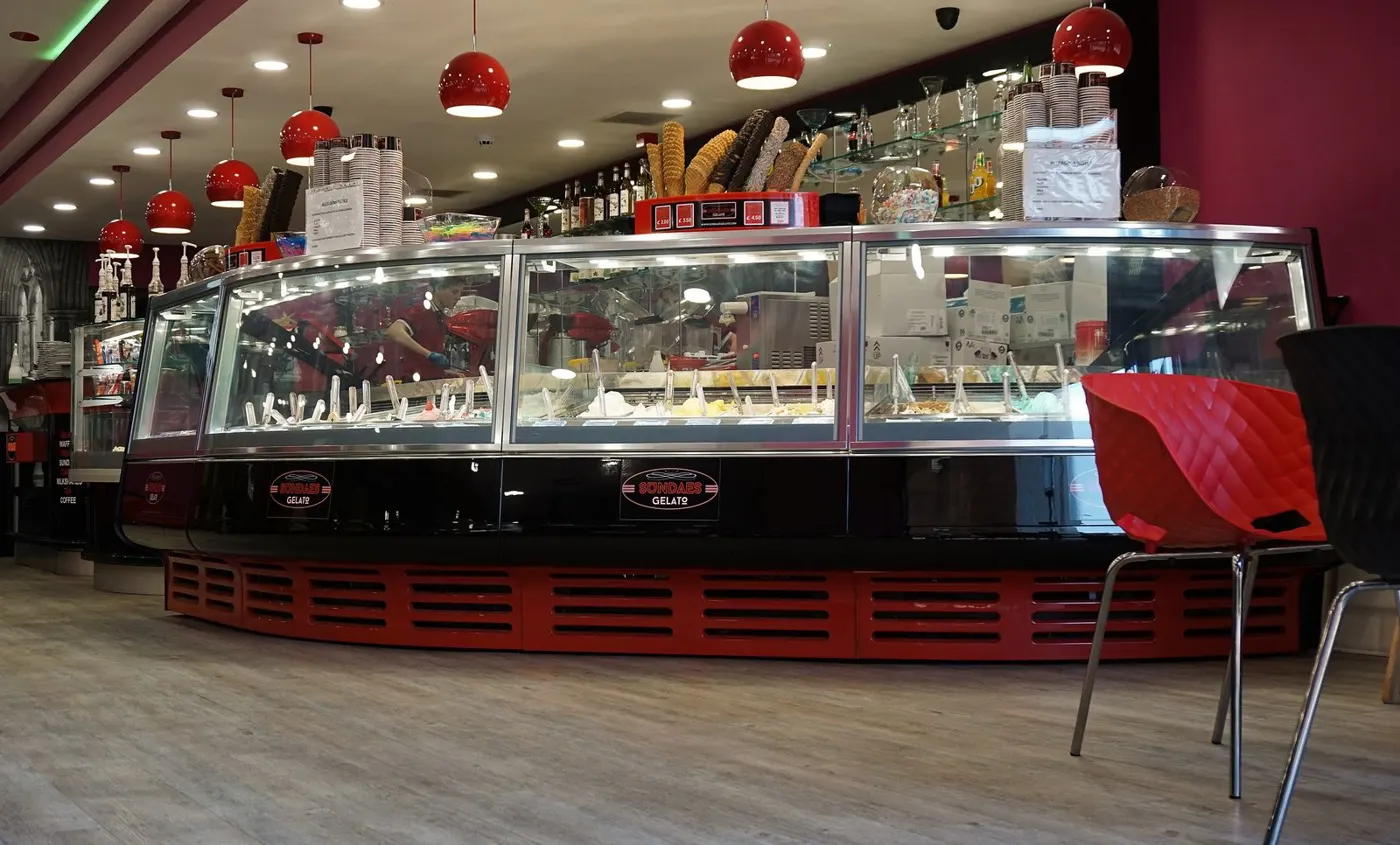
When a home fridge goes warm you lose groceries. When a walk-in goes warm you lose inventory, you have a health-inspection problem, and the kitchen loses money every hour it sits down. This guide covers the holding temperatures that get checked, a month-by-month maintenance schedule you can actually run, a daily and weekly checklist for the crew, and troubleshooting by symptom for walk-in coolers, walk-in freezers, reach-ins, prep tables, and ice machines in Orange County kitchens.
Temperature Standards: What "Cold Enough" Actually Means
Two different targets matter, and mixing them up causes a lot of confusion:
- Refrigerators and walk-in coolers (fresh food): 41°F or below for cold holding. Most operators set 35–38°F so the box has somewhere to fall back to during a busy lunch with the door swinging.
- Freezers: 0°F or below. Manufacturers and operators generally treat 0°F down to -10°F as the normal range for frozen storage.
The number on the door display is not the number that counts. It reads air at the sensor, which sits in the coldest moving air in the box. Product in a full prep table near the lid can be several degrees warmer than the display says.
What Does a Health Inspector Actually Check?
California's Retail Food Code sets the number everyone knows: cold potentially hazardous food has to be held at 41°F or below. Inspectors from Orange County Environmental Health carry their own probe thermometer, and they check the food.
Four things get written up more often than a broken compressor:
- No working thermometer in the unit. Every refrigeration unit needs one, and it belongs in the warmest part of the box. That is usually near the door, not tucked in the back where the air is coldest.
- A thermometer that reads off. Check it in a slurry of ice and water. It should read 32°F. If it's off by more than a couple of degrees, replace it, they're cheap.
- Logs that stopped. A log with a three-week gap is worse than no log, because it shows the habit slipped. Two readings a day, morning and mid-afternoon, on paper or on the tablet.
- Product sitting in a unit that's drifting. A walk-in at 44°F with prepped food inside is a food-safety call, not a maintenance ticket. Move the product to a unit that's holding, then deal with the equipment.
Freezers work differently in the code. The requirement is that frozen food stays frozen rather than a single number, and 0°F is the working target every operator I deal with uses.
Month-by-Month Maintenance Schedule
Most shops either do nothing until something breaks, or buy a plan and never see the tasks written down. Here's the year laid out. It's built around a South Orange County kitchen, so the coil work lands before the heat and the Santa Ana dust, and the heavy checks land before Thanksgiving.
| Month | What to do | Why this month |
|---|---|---|
| January | Inspect every door gasket. Check the drain-line heater on walk-in freezers. | Cool damp weather is when condensate lines freeze and back up onto the floor. |
| February | Descale ice machines. Replace water filters. | Get it done before spring volume picks up and the machine is running flat out. |
| March | Deep-clean condenser coils on every unit. | Heat rejection has to be right before the first 90°F afternoon, not after it. |
| April | Have refrigerant charge and superheat checked on the walk-ins. Write the readings down. | A baseline in spring is what tells you in August whether the system is losing charge. |
| May | Check walk-in door closers, sweeps and strip curtains. | A door that doesn't pull itself shut in warm weather is the most common cause of a box that can't hold temperature. |
| June | Second coil cleaning of the year in high-grease kitchens. Check condenser fan motors and blades. | Fryer and grill grease loads the coil again within a few months. |
| July | Ice-water test every thermometer. Recalibrate or replace. | Mid-year is a clean point to verify what your logs have been recording. |
| August | Clean evaporator coils and drain pans. Confirm the defrost cycle terminates and clears the coil. | Humid coastal air plus a tired defrost cycle is how frost takes over a box in late summer. |
| September | Third coil cleaning. Clear rooftop and alley condensers of dust and debris. | Santa Ana wind season packs dirt into outdoor coils fast. |
| October | Descale ice machines again. Sanitize bins and scoops. | Ahead of holiday volume, when the machine and the bin get hammered. |
| November | Full pre-holiday check on every unit: temperatures, gaskets, drains, compressor amp draw. | Nobody wants a walk-in down the week of Thanksgiving. |
| December | Read back the year's temperature logs. List units that drifted, and decide repair or replace. | Twelve months of readings show you which box is slowly dying before it strands you. |
If you'd rather not track it yourself, that's what a maintenance plan is for. Ours runs monthly or quarterly depending on kitchen volume, and the visit report covers the same items in the table above.
Daily and Weekly Checklist for the Crew
The month-by-month work is technician and manager territory. This part is for whoever opens and closes. It takes about four minutes.
Every day
- Read and write down the temperature in every unit. Morning and mid-afternoon.
- Look at the floor under and around each unit. Water on the floor today is a clogged drain line tomorrow.
- Listen on the way past. A compressor that's running every single time you walk by is telling you something.
- Wipe spills off the door gaskets before they dry. Dried syrup and grease are what tear a gasket, not age.
Every week
- Dollar-bill test two or three doors. Close the door on a bill, and if it slides out with no drag the seal is done. Rotate through every door across the month.
- Check that nothing got stacked against a condenser intake or in front of an evaporator. Boxes on a delivery day are the usual culprit.
- Pour a cup of hot water down any condensate drain you can reach.
- Look at the ice. Cloudy, small or slow cubes mean scale is building on the evaporator plate.
What to leave alone
Don't pull electrical panels, don't touch refrigerant lines or service valves, and don't keep resetting a breaker that trips. Those three are how a repair turns into a replacement.
Troubleshooting by Symptom
Unit running constantly but not holding temperature
The usual cause is a grease-clogged condenser coil. The compressor runs and runs trying to push heat through fins packed with kitchen grease and dust, and it can't. Check door gaskets next, since a worn seal feeds warm air in nonstop. Then look at the evaporator: frost on the coil blocks airflow the same way a dirty condenser blocks heat rejection.
Ice or frost buildup inside the unit
Heavy frost means one of two things almost every time. Either a door seal is letting warm humid air in, or the defrost cycle isn't clearing the coil, which points at the heater, the timer, or the termination thermostat. Left alone, the frost eventually blocks enough airflow to take the whole box warm. Our guide to frost buildup in freezers walks through the same diagnosis on smaller units.
Water leaking or pooling around the unit
Usually a clogged or frozen condensate drain line backing up. On ice machines it can also be a cracked water trough or a stuck float switch. Water near a walk-in freezer door can refreeze into a slip hazard, which makes it worth an urgent call rather than a mop.
Compressor won't start, trips the breaker, or short-cycles
Common causes are a failed start relay, a tripped internal overload from running hot behind a dirty condenser, or a weak start capacitor. A breaker that trips on every start-up is an electrical fault. Resetting it over and over can finish off a compressor that was still repairable.
Electric bill climbing with no obvious cause
A refrigeration system working harder than it should shows up on the power bill well before it shows up as a failure. Dirty condenser, low charge, worn gaskets, tired compressor. If your refrigeration draw is creeping up and nothing changed in the kitchen, get it looked at before something quits.
Ice machine not making ice, or making cloudy or small ice
No ice at all is often a closed water valve, a tripped breaker, or a fault on the refrigeration side. Cloudy, small or slow production is nearly always scale from hard water on the evaporator plate. See why a commercial ice machine stops making ice and our commercial ice machine repair page.
Commercial Refrigeration Maintenance Service in South Orange County
Alpha & Omega handles scheduled commercial refrigeration maintenance for restaurants, cafés, markets, bars, hotels and medical offices: condenser coil cleaning, gasket inspection and replacement, drain line flushing, refrigerant charge check, defrost cycle testing, ice machine descaling and sanitizing, and a written temperature and condition report you can hand an inspector. Plans run monthly or quarterly depending on kitchen volume. Plan customers get priority dispatch when something does go down.
Equipment we maintain and repair: walk-in coolers and freezers, reach-in refrigerators and freezers, prep tables and pizza tables, under-counter units, display cases and merchandisers, blast chillers, and ice machines. We work on Hoshizaki, Manitowoc, Scotsman and Ice-O-Matic ice machines, and on True, Turbo Air, Beverage-Air, Traulsen, Delfield, Continental, Atosa, Kolpak and Nor-Lake refrigeration. Sealed-system work (leak location, brazing, evacuation and recharge) is covered on our sealed system repair page.
Service by city: Irvine, Tustin, Lake Forest, Mission Viejo, Laguna Hills, Rancho Santa Margarita. Most of our commercial work sits in the corridor from Irvine down to San Clemente. Call or text (949) 267-7771 with your unit count and types and we'll put a plan together.
What Drives the Repair Bill
It depends on the equipment and the failure. A gasket, a start relay or a descale is a small fast job. A sealed-system repair means leak location, brazing, evacuation and recharge, and that takes hours. The technician looks at the unit, tells you what it needs and what it comes to, and nothing happens until you say yes. Repairs carry a 90-day parts and labor warranty.
One thing worth saying plainly: a scheduled maintenance visit is a planned expense on a Tuesday morning. A walk-in full of product going down on a Friday night is not. That's the whole argument for a plan.
Frequently Asked Questions
What temperature should a walk-in cooler hold in a California kitchen?
41°F or below for cold holding under the California Retail Food Code. Most operators set 35–38°F so the box has margin during service when the door is opening constantly.
What temperature should a commercial freezer hold?
0°F or below. Manufacturers and operators generally treat 0°F down to -10°F as the normal range for frozen storage.
How often should commercial condenser coils be cleaned?
Every 1 to 3 months in a working kitchen. Grease and flour in the air coat the fins far faster than household dust does. A clogged condenser is the most common preventable failure we see on commercial equipment.
Do I need temperature logs if the unit has a digital display?
Yes. The display reads air at the sensor, and an inspector wants a reading from a thermometer in the warmest part of the box plus a written log. The log also shows drift, which is how you catch a problem while it's still a repair instead of a loss.
How fast can you get out if a walk-in is down?
Same-day is usually available across the Irvine to San Clemente corridor. Call or text and say it's a walk-in with product inside, that changes where you land on the route.
Related Pages
- Commercial Refrigeration Repair (full service overview)
- Commercial Freezer Repair
- Commercial Refrigerator & Walk-In Cooler Repair
- Commercial Ice Machine Repair
- Commercial Ice Machine Not Making Ice
- Walk-In Cooler Repair Cost: What Drives the Bill
- Freezer Frost Buildup: Causes and Fixes
- Appliance & AC Repair in Irvine