
Repair or Replace? A Simple Rule of Thumb
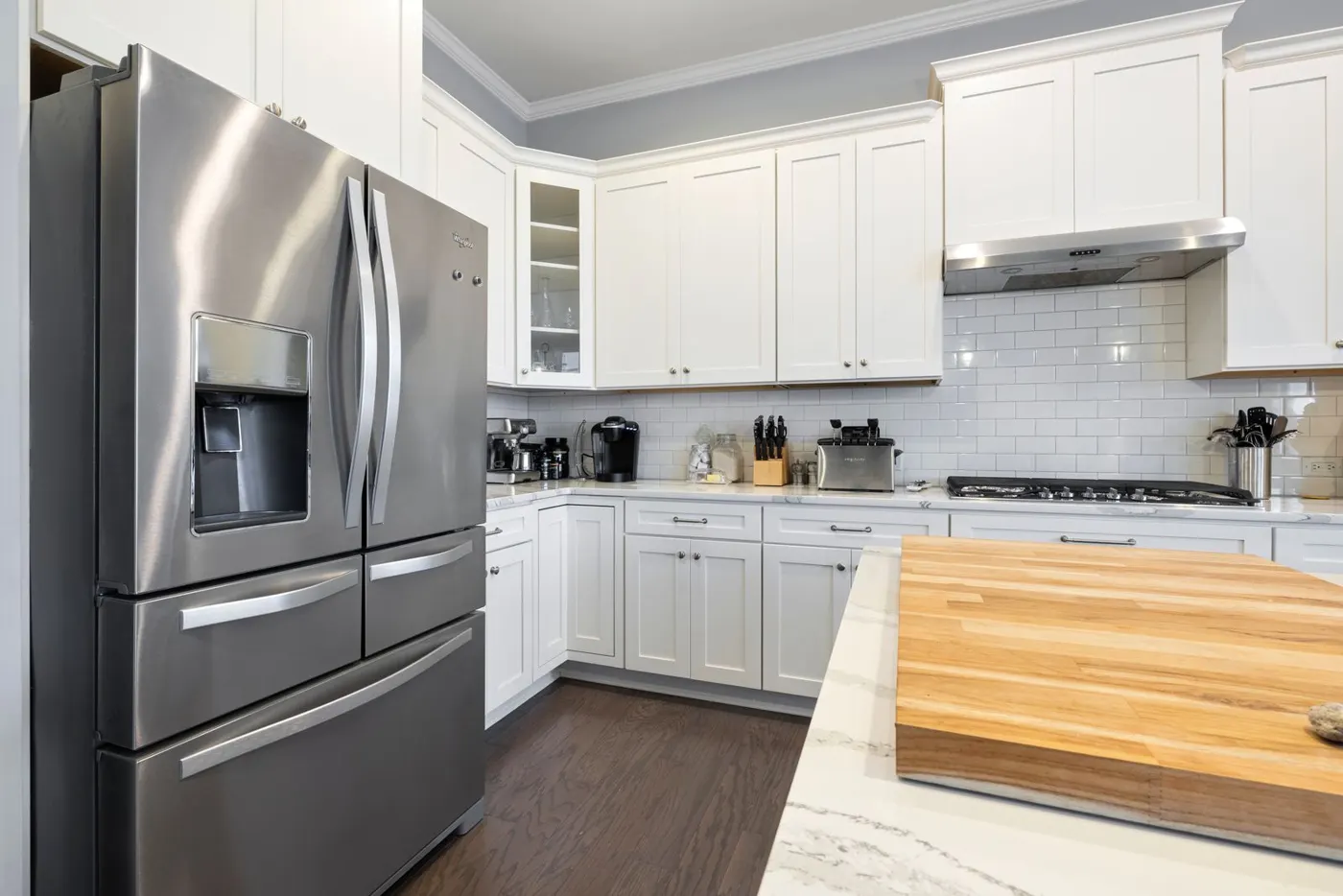
Every appliance breakdown comes with the same question: is it worth fixing, or is this a sign to replace it? There's no single right answer, but a few simple guidelines cover most situations.
The 50% Rule
A widely used rule of thumb in the repair industry: if the repair cost is less than 50% of the price of a comparable new appliance, and the appliance is under 10 years old, repair is usually the better value. Once you're past that line, an older unit needing an expensive part, replacement often makes more financial sense.
Typical Appliance Lifespans
These are general industry-average ranges, not guarantees, actual lifespan depends heavily on usage, maintenance, and brand:
- Refrigerators: roughly 10–20 years
- Washing machines: roughly 10–13 years
- Dryers: roughly 10–13 years
- Ovens & ranges: roughly 13–15 years (gas units often last longer)
For refrigerators by type, and what shortens or stretches their life, see how long should a refrigerator last.
Questions to Ask Before You Decide
- How old is the appliance, and is it still under any manufacturer warranty?
- Is this the first repair, or the third one this year?
- Would a new model save meaningfully on energy or water use?
- Is the specific part still being manufactured, or will it be hard to source next time?
When Repair Almost Always Makes Sense
Appliances under 5–7 years old, single-issue problems (a switch, a seal, a belt), and high-end or built-in units that are expensive to replace are usually worth repairing. A built-in column trimmed into the cabinetry is the clearest case of all: replacing it means a cabinet job on top of the appliance, so refrigerator repair wins almost every time. The same logic applies to a wall oven, see oven and range repair.
When Replacement Starts to Make More Sense
Units already past their typical lifespan, repeat breakdowns of different components, or a repair quote that's creeping toward half the cost of new are all signs it may be time to consider replacing rather than repairing.
Not sure which side of the line your situation falls on? We'll give you an honest, upfront assessment, we never push a repair that isn't worth it. The technician quotes the job on site before any work starts, and whatever we do repair carries a 90-day parts and labor warranty, see what that warranty covers.
We run this call all over South Orange County: Irvine, Tustin, Lake Forest and down the coast corridor. A few minutes of prep makes the visit shorter, see what to do before your technician arrives.