
AC Frozen? Why There's Ice on Your Air Conditioner: and How to Thaw It Safely
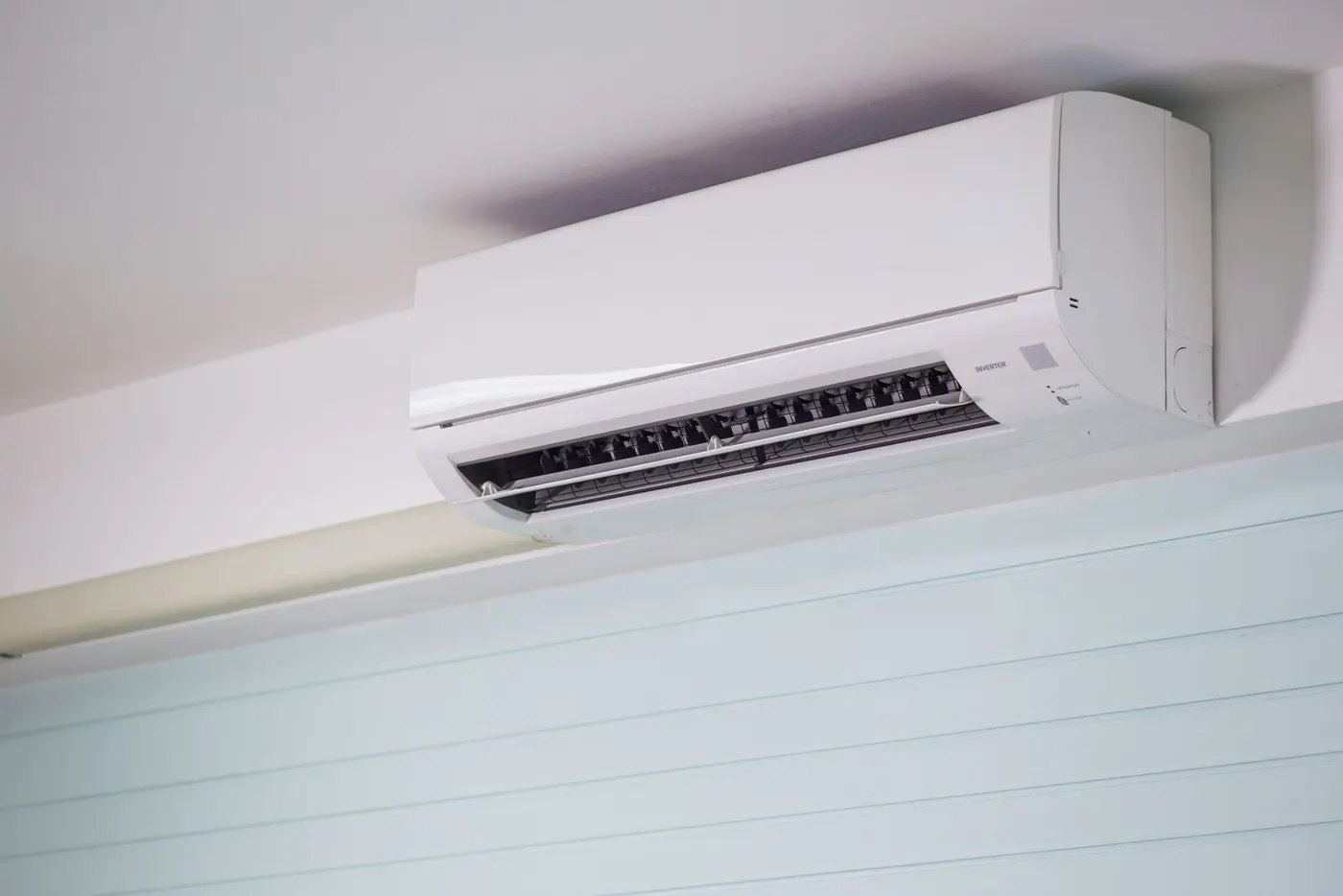
Ice on an air conditioner looks impossible, it's 90 degrees outside and your AC has grown a frost beard on its copper lines, or the indoor coil is a solid block. But freezing is one of the most common AC failures we see across Irvine and South Orange County, and it always means one thing: the evaporator coil got colder than it was designed to get. Here's why that happens and what to do about it, in order.
What Freezing Actually Means
Your AC cools by boiling refrigerant inside the indoor coil, which only works right when enough warm air flows over that coil and enough refrigerant flows through it. Take away either one and the coil's temperature crashes below freezing. The humidity in the air then does the rest, first frost, then ice, then a block of it that chokes airflow completely and makes everything worse.
Step 1: Shut It Down and Thaw It
Set the thermostat to OFF for cooling and the fan to ON. Indoor air moving across the coil melts the ice from the inside, typically a few hours, up to a full day for a solid block. Put towels under the indoor unit, because all that ice becomes water and can out-run the drain (if it does, our AC leaking water guide explains where it goes). Never chip, pry, or pour hot water on the ice, the aluminum fins and copper tubing underneath damage easily, and a punctured coil turns a maintenance problem into a major repair. And don't keep running it "because it still blows a little", meltwater damage and a slugged compressor are how a frozen coil becomes the most expensive failure an AC can have.
Cause #1: Starved Airflow
The most common and the cheapest to fix. A clogged filter is the classic; closed or furniture-blocked vents, a crushed return duct, a dirt-blanketed evaporator coil, and a weakening blower motor all do the same thing, too little warm air over the coil, so it freezes. Once thawed: put in a fresh filter, open every vent, and run it. If it stays clear, that was probably the whole story.
Cause #2: Low Refrigerant
Less refrigerant means lower pressure in the coil, and lower pressure means a colder coil, physics is strict about this. Refrigerant doesn't get "used up"; if it's low, it leaked, and the leak is often slow enough that the first symptom is a freeze-up in the hottest week of the year. This one is not DIY: finding and repairing leaks and recharging the system is EPA-regulated work, and our techs are EPA Section 608 Universal certified. If your AC refreezes with a clean filter and open vents, this is the likely culprit, call (310) 600-8152.
Cause #3: Running It When It's Cool Out
Residential ACs aren't designed to cool when outdoor temperatures drop below roughly 60°F, coil pressure falls and freezing gets easy. In Orange County this catches people on cool coastal nights: the AC runs at 3 a.m., ices over, and blows warm air by noon. If your system freezes only overnight, try letting the house ride through the cool hours without cooling.
The Damage Ice Can Do
A frozen coil can send liquid refrigerant back to the compressor, which is built to pump vapor, not liquid, that's how compressors die, and a compressor is the heart of the system. Meltwater overflow stains ceilings. This is why "it freezes sometimes, I just thaw it" is a habit worth breaking: the underlying cause is usually a cheap fix, and what it's protecting you from is not.
Keep It From Coming Back
Freeze-ups are near the top of what an annual AC maintenance visit prevents: fresh filter, clean coils, blower checked, refrigerant charge actually measured. If the system is already misbehaving, weak cooling, warm air, ice that returns, head to AC repair or start with why an AC stops cooling.
Frequently Asked Questions
Why is my air conditioner freezing up?
Ice means the evaporator coil got colder than it should. The two big causes are starved airflow, a clogged filter, blocked vents, a dirty coil, or a weak blower, and low refrigerant from a leak. Running the AC when it's cool outside can also freeze it.
How do I thaw a frozen AC?
Turn cooling OFF and set the fan to ON. Warm indoor air moving over the coil melts the ice in a few hours, badly iced systems can take up to a day. Never chip or pry at the ice; the coil fins and tubing behind it damage easily, and a punctured coil is a major repair.
Can I keep running the AC while it's frozen?
No. A frozen coil barely cools, the meltwater can overflow and leak into your home, and worst of all, liquid refrigerant can flow back and destroy the compressor, the most expensive part of the system.
My AC froze again after I thawed it and changed the filter. Now what?
Repeat freezing with good airflow points to low refrigerant from a leak or a failing blower. Refrigerant work is EPA-regulated and needs a certified technician, that's a repair call, not a DIY situation.